




By John Noctor, Chief Customer Success Officer, SDI
Why we didn’t wait for the framework to catch up
Aligned to ITIL® 4 today. Ready for ITIL (version 5) tomorrow. Delivering experience and impact now.
For years, IT service management has lived with an uncomfortable truth. We’ve been excellent at controlling services, pretty good at measuring performance, but often poor at answering the question that really matters:
Does this service genuinely work for the people who rely on it?
That question sits at the heart of the Global Best Practice Standard for Service Desk, also known as SDC v9. It’s also why the SDC v9 Standard aligns so strongly with ITIL 4 today and the direction new ITIL is clearly heading.
ITIL 4 modernised service management but it didn’t finish the job
ITIL 4 was a necessary and positive shift for the industry. It moved service management away from rigid process maps towards principles, value, flexibility and co‑creation.
But in practice, many organisations interpreted ITIL 4 as the same dashboards with new language. Value was talked about, but rarely evidenced.
The intent was right. The execution often wasn’t. That gap is exactly what SDC v9 was designed to close.
SDC v9 starts where ITIL stops: experience and evidence
SDC v9 (see the Blueprint here) was never intended to compete with ITIL. It was designed to operationalise where service management is going next.
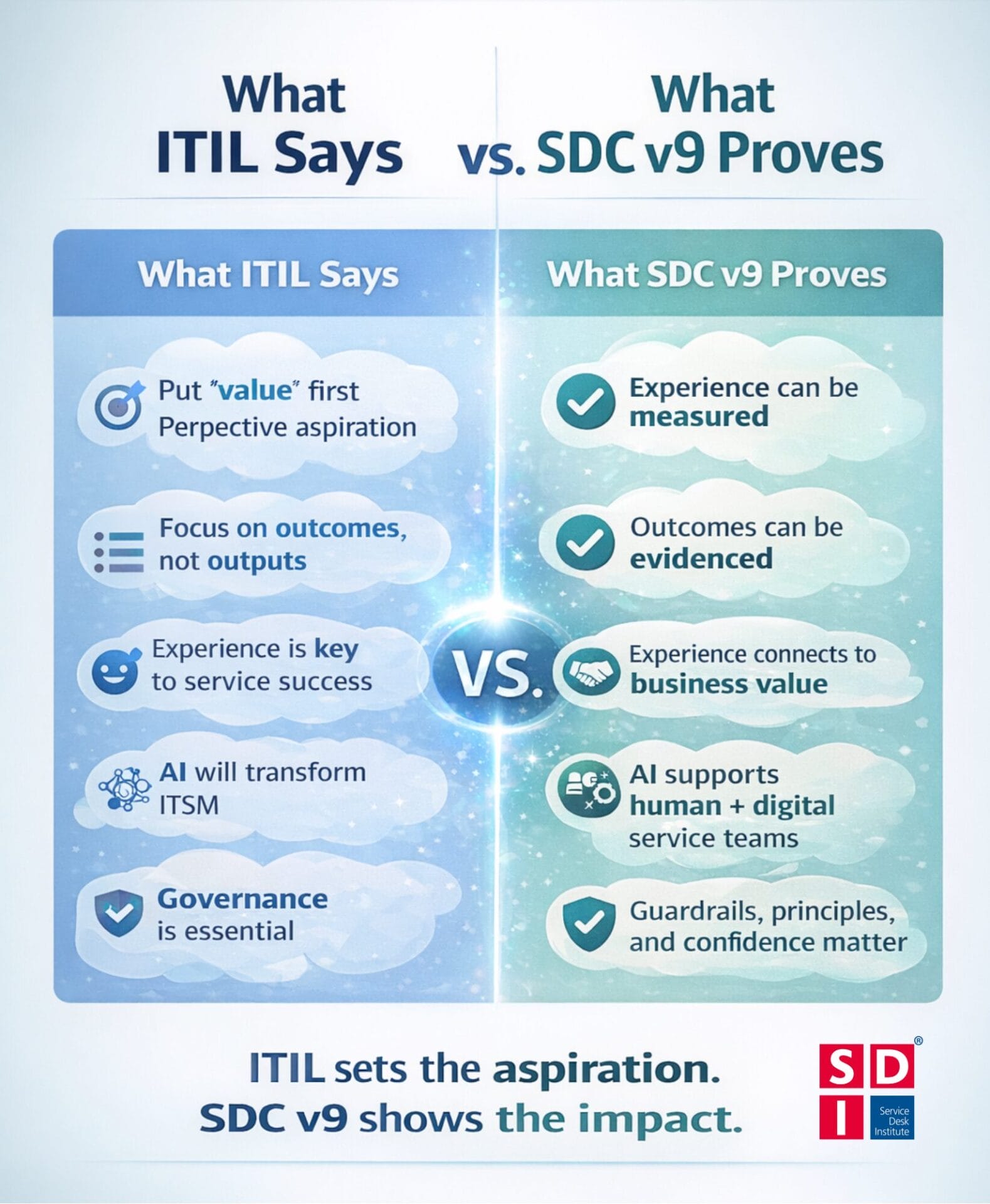
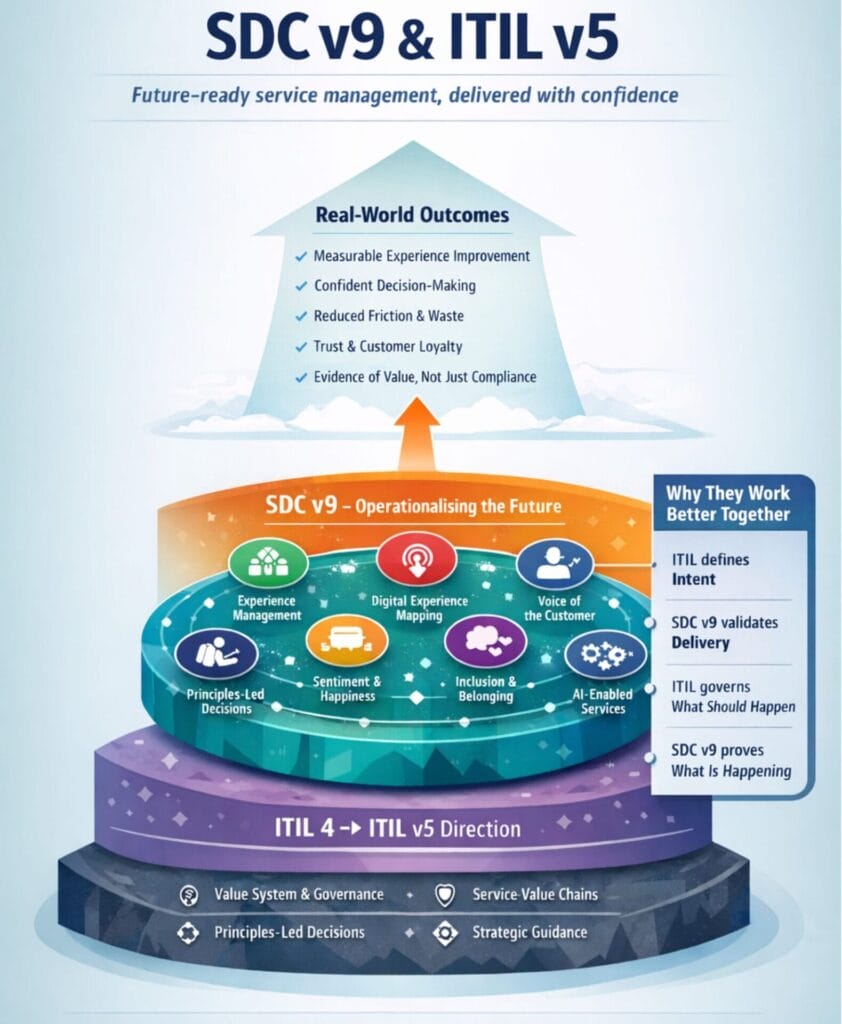
Where ITIL provides strategic intent and governance, SDC v9 translates that intent into observable behaviours, measurable experience, evidence‑based maturity and real‑world outcomes.
In short, SDC v9 turns direction into delivery.
From ‘the service is live’ to ‘the service works’
Traditional service management celebrates availability. Modern service management demands confidence.
SDC v9 shifts the conversation from whether an SLA was met to whether a service actually helped someone succeed.
That’s not a soft question. It’s a commercial one. When services frustrate, productivity drops, trust erodes and costs quietly rise. SDC v9 makes those impacts visible.
Why this aligns so strongly with ITIL (version 5) thinking
While new ITIL has not yet been formally released, its direction of travel is clear.
Experience as value. Outcomes over outputs. AI as a core enabler rather than a bolt‑on. Culture and confidence as service fundamentals.
SDC v9 already assesses against these realities, not as aspirations, but as standards.
AI doesn’t replace service management. It exposes it.
As AI becomes embedded in service delivery, weak service management is exposed faster than ever.
SDC v9 focuses on responsible, explainable and confidence‑led use of AI, ensuring automation amplifies good service management rather than masking underlying problems.
Governance without gravity
Heavy governance slows services down. No governance breaks trust.
SDC v9 mirrors ITIL’s future‑leaning approach by focusing on evidence over paperwork, behaviour over box‑ticking, and outcomes over artefacts.
Services succeed or fail in culture, not process
One of the quiet strengths of SDC v9 is its focus on organisational behaviour.
Psychological safety, inclusion, leadership confidence and decision‑making all directly influence service outcomes. SDC v9 measures these factors because services do not exist in a vacuum.
A partnership, not a prediction
SDC v9 does not attempt to predict new ITIL. It aligns to what service management already needs to become.
ITIL defines intent and direction. SDC v9 demonstrates delivery and impact.
Together, they provide confidence for practitioners, leaders and boards alike.
Aligned to ITIL 4 today. Ready for ITIL (version 5) tomorrow. Delivering experience and impact now.
Visual Evidence Supporting the SDC v9 Perspective
Figure 1: How ITIL provides strategic direction while SDC v9 operationalises experience and real-world outcomes.
Figure 2: Inclusion and belonging as foundational enablers of effective, human-centred service delivery.
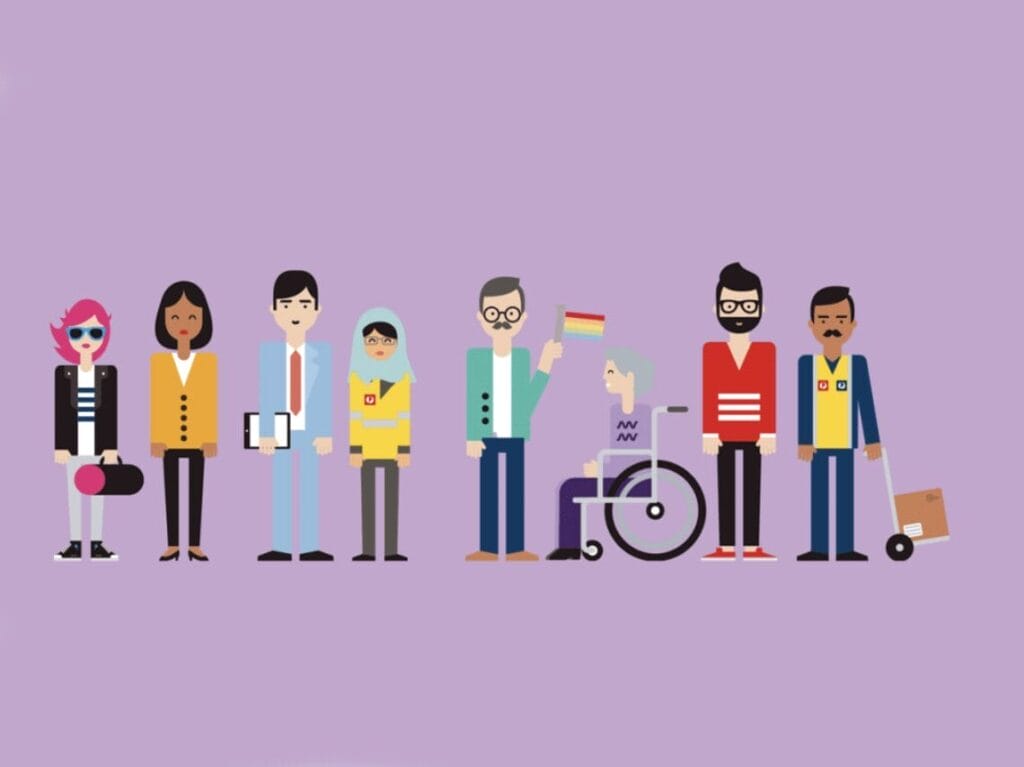
Figure 3: The four stages of psychological safety that underpin high-performing service teams.
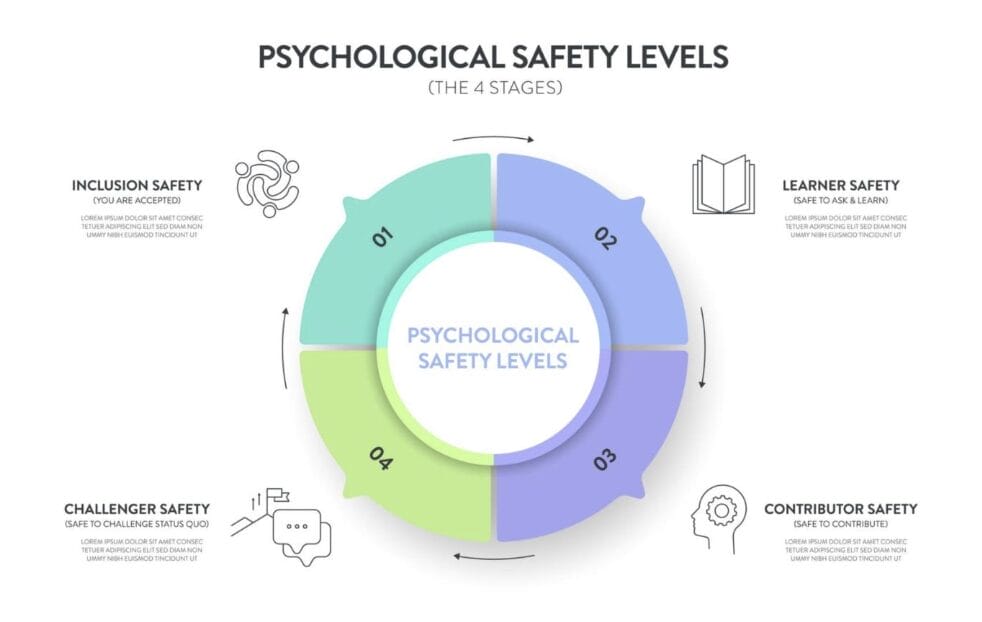
Figure 4: Customer-centric workflow showing how listening, design, delivery and measurement combine to create value.
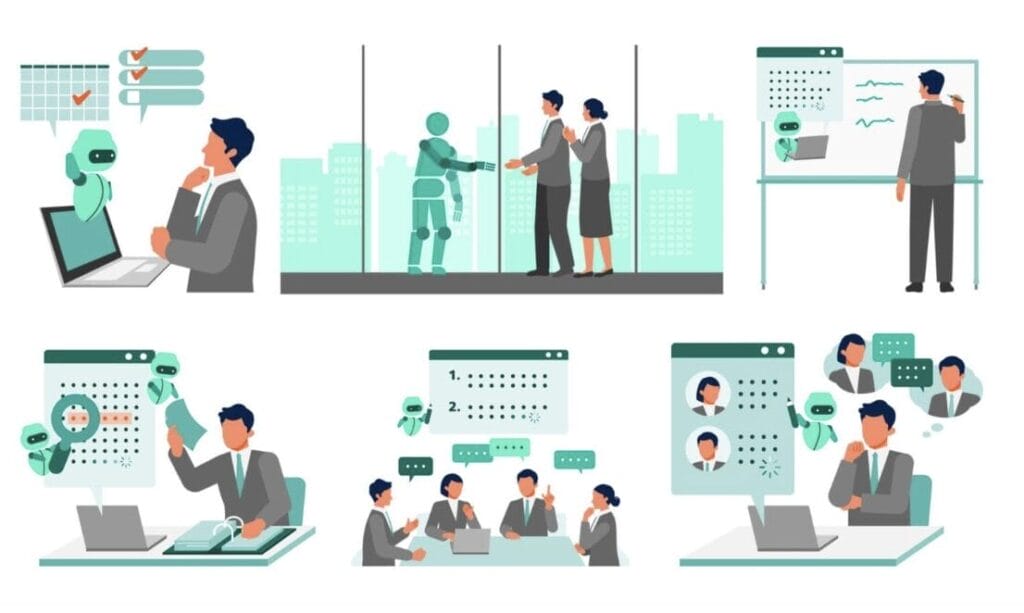
Figure 5: Outcome-focused experience metrics that move beyond traditional volume and SLA reporting.
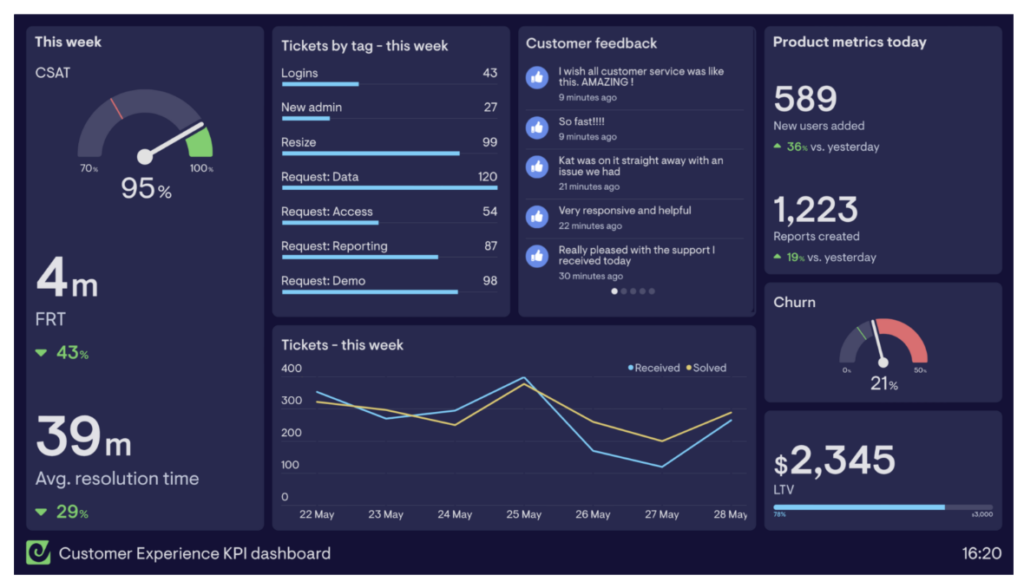
Figure 6: End-to-end journey mapping illustrating how customers experience services across multiple touch points.
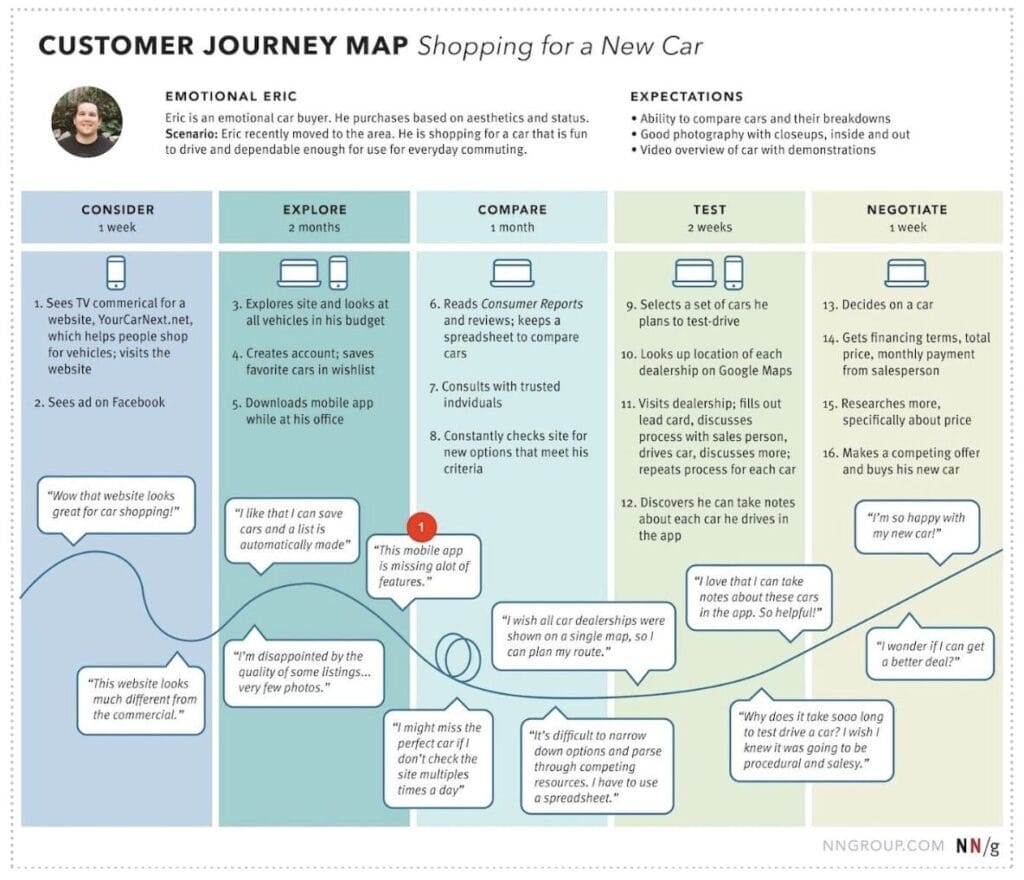
Figure 7: AI as a service management enabler – amplifying good practices and exposing weak ones.